

“Experıence And Merıt In Pılotage Are The Key To Managıng Growıng Traffıc Rısks”
Yazar: Eda GEDİKOĞLU
11 Ara 2025
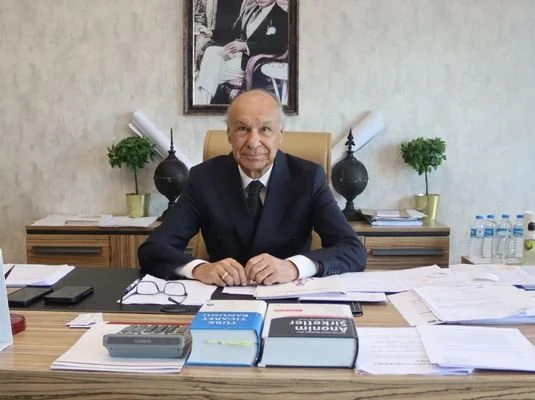
With a maritime career spanning four decades—thirty years of which were spent directly within pilotage organizations—Captain Hasan Tayfun Kızılay is a well-established figure who has held significant responsibilities across various institutions in the Turkish maritime sector. He began his career at Türkiye Denizcilik İşletmeleri (TDİ), later served at DEKAŞ, and played an active role in the founding of ANKAŞ. During his six-and-a-half-year tenure at ANKAŞ, he served as Chief Pilot for five years. Having worked in multiple regions of Türkiye for many years, Captain Kızılay shares insights on the operational structure of pilotage services, risk management, training processes and overall operational efficiency.
With a maritime career spanning four decades—thirty years of which were spent directly within pilotage organizations—Captain Hasan Tayfun Kızılay is a well-established figure who has held significant responsibilities across various institutions in the Turkish maritime sector. He began his career at Türkiye Denizcilik İşletmeleri (TDİ), later served at DEKAŞ, and played an active role in the founding of ANKAŞ. During his six-and-a-half-year tenure at ANKAŞ, he served as Chief Pilot for five years. Having worked in multiple regions of Türkiye for many years, Captain Kızılay shares insights on the operational structure of pilotage services, risk management, training processes and overall operational efficiency.
Captain Kızılay emphasizes that the core of pilotage lies in safeguarding life, property and the marine environment. He notes that operational decision-making is entirely independent of commercial considerations and is instead based on comprehensive assessments of meteorological and oceanographic conditions, current–wind interactions, berth and port infrastructure, narrow channel and shallow water effects, traffic density, and coordination with VTS. He underlines that pilots conduct every maneuver in line with SOLAS, COLREG, ISPS and national regulations, supported by continuous dynamic risk assessment.
Explaining the pathway to becoming a pilot, Kızılay highlights that candidates must first hold an Ocean-Going Master certificate, followed by Ministry examinations and region-specific qualification processes. He adds that training does not end once a pilot begins active duty; the system includes continuous professional development through critical maneuver analyses, mandatory refresher courses and structured case-study meetings.
Regarding increasing vessel traffic and adverse weather conditions, Kızılay states that risk management is shaped through on-site assessments carried out directly on board. When required, additional tug recommendations are provided, and detailed maneuver plans and maneuver diagrams are prepared to enhance operational safety. He stresses that the growth in vessel size and escalating traffic density have made pilotage a discipline that demands ever-increasing technical proficiency.
Kızılay also provides a candid evaluation of how the tender system affects pilotage services. He notes that competition based on public-share offers creates financial pressure on organizations, often leading to cuts in personnel expenses—an approach that risks losing qualified pilots and undermining overall service quality. While he views the government’s “5/8 regulation” as a positive corrective step, he argues that sustainable pilotage cannot rely solely on a tender-driven model; instead, organizations with proven competence and experience should be prioritized.
Assessing the future of the sector, Kızılay states that the most critical pillar is the retention of competent personnel and the reinforcement of continuous training. Rising maneuver complexities, growing traffic density and shrinking operational tolerances can only be managed effectively through a strong, highly qualified professional pilotage workforce and a financially resilient organizational structure.
While expressing full respect for state decisions and regulatory approaches, Captain Kızılay concludes that, in highly specialized fields such as pilotage and towage services, a model that prioritizes professional competence and quality—rather than tenders alone—would serve the long-term interests of Turkish maritime safety far more effectively.
Captain Hasan Tayfun Kızılay
Bültene Kaydol
Gelişmelerden haberdar ol
İlgili İçerikler
“Uluslararası Standartlara Uygun, Güvenli ve Sürdürülebilir Taşımacılık Anlayışıyla Faaliyet Gösteriyoruz”
5. Türkiye Denizcilik Zirvesi kapsamında, ACECHEM TANKER Uzak Yol İkinci Gemi Kaptanı Ozan Gerçek ile bir araya geldik. Türk denizciliğinin son yıllardaki gelişimini, Kabotaj Kanunu'nun 100. yılının sektöre kazandırdığı farkındalığı ve denizcilik organizasyonlarının sektörün geleceğine sağladığı katkıları değerlendiren Gerçek, Türk denizciliğinin uluslararası alandaki konumunun her geçen gün güçlendiğini vurguladı.
Yazar: Eda GEDİKOĞLU
14 Ağu 2026

“Türk Denizciliğinin Geleceği İçin Güçlü Milli Filo ve Güçlü Kadın Denizciler”
5. Türkiye Denizcilik Zirvesi kapsamında Türk denizciliğinin öncü isimlerinden biri olan Türkiye Denizcilik İşletmeleri Deniz Yolları İşletmesi İlk ve Tek Kadın Kaptanı ve Kadın Gemi Kaptanları, Mühendisleri ve Denizciler Derneği Kurucu Başkanı Sedef Esra Ulutürk Dinç ile bir araya geldik. Türk bayraklı yolcu gemilerinde görev yapan ilk Türk kadın kaptan olan Dinç, Kabotaj Kanunu'nun 100. yılının taşıdığı stratejik önemi, kadın denizcilerin sektördeki yükselen rolünü ve Türkiye denizciliğinin geleceğine ilişkin değerlendirmelerini anlattı.
Yazar: Eda GEDİKOĞLU
14 Ağu 2026

“Denizciliğin Geleceği Güçlü İnsan Kaynağıyla Şekillenecek”
Türkiye Denizcilik Zirvesi kapsamında QSM Global Kurucusu ve Karadeniz Teknik Üniversitesi Mezunlar Derneği Yönetim Kurulu Başkanı Orhan Kasap ile bir araya geldik. Zirvenin sektöre sağladığı katkıları, Kabotaj Kanunu'nun 100. yılının taşıdığı stratejik önemi ve Türk denizciliğinin geleceğine ilişkin değerlendirmelerini paylaşan Kasap, özellikle gemi insanı yetiştirilmesi ve nitelikli insan kaynağının güçlendirilmesinin sektörün sürdürülebilir büyümesinde kritik rol oynadığını vurguladı.
Yazar: Eda GEDİKOĞLU
14 Ağu 2026